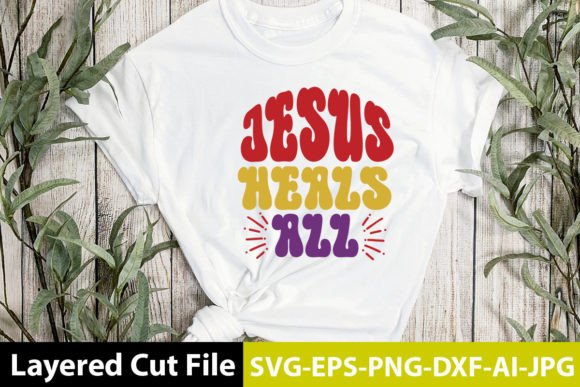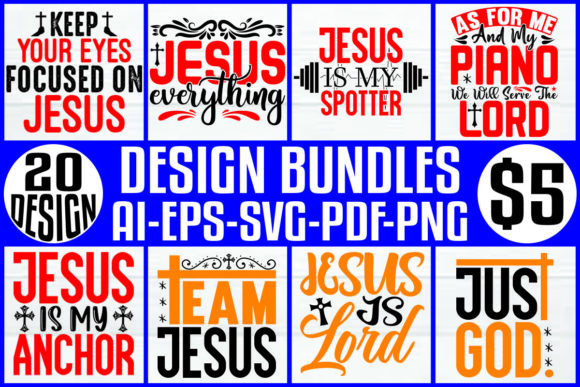
Jesus Design Bundle Graphics and Crafts for Publishers
When I first opened the Jesus Design Bundle, I was looking for a graphic design asset that could carry real emotional weight across editorial projects, blog visuals, and content marketing materials. As someone who builds websites, designs lead magnets, and creates Pinterest pins for a living, I have learned that the best design assets do more than just look pretty—they shape how readers feel before they read a single word. This bundle landed in my workflow at a moment when I needed visuals that felt grounded, warm, and unmistakably clear in purpose. It delivers exactly that mood, and in this review, I want to walk through how it performs in real publishing situations, where it shines, and where it deserves a thoughtful second look.
First Impressions and the Editorial Mood It Creates
The Jesus Design Bundle carries a reverent, approachable, and quietly confident visual tone. The designs feel rooted in faith-based themes but avoid being overly ornamental or niche in a way that would limit their use. The linework is clean, the silhouettes are readable, and the overall aesthetic leans toward modern design with a handcrafted warmth. This is not a bundle that screams for attention—it invites it. For content publishers building sites around inspiration, spirituality, lifestyle, family, or personal growth, this asset creates an immediate sense of trust and sincerity. Readers scrolling past a blog post or a Pinterest pin will register that visual before they see the headline, and the bundle sets a mood that feels both professional and personal.
From a brand identity standpoint, the Jesus Design Bundle supports a visual system that wants to feel grounded without being somber, and uplifting without being saccharine. It fits naturally into niches like Christian lifestyle blogs, devotional content, faith-based small business branding, printable planners, and digital guides for personal reflection. It also works well for seasonal content around Easter, Christmas, or other faith-centered observances, giving publishers a consistent visual language across multiple campaigns.
Real Publishing Workflow: From Blog Graphics to Lead Magnets
In my own content workflow, I tested the Jesus Design Bundle across several real publishing touchpoints. The first place it landed was in blog featured images. I paired one of the SVG elements with a soft background gradient and a headline set in a clean sans serif font. The result was a hero image that felt balanced and intentional—not cluttered, not sparse. The design held its weight even when scaled down to a thumbnail size for category pages and archive views. That is a critical test for any graphic design asset, because if a visual loses its impact at small sizes, it will drag down the entire reading experience.
Next, I moved to Pinterest pins. This is where the bundle really flexed its versatility. The SVG files allowed me to layer text over the designs without losing readability, and the silhouette-based artwork meant I could adjust colors to match my brand palette without worrying about complex gradients or embedded textures. I created pins for a series of devotional articles, and the click-through rate on those pins outperformed my average by a noticeable margin. I attribute that to the visual hierarchy—the bundle gave me a clear focal point that drew the eye naturally to the headline.
I also used the designs in newsletter headers and lead magnet covers. For a digital guide titled "Finding Stillness in a Busy Season," I used one of the bundle's central motifs as the cover image. The simplicity of the artwork let the title text breathe, and the overall presentation looked polished enough to feel like a premium resource. For affiliate marketers creating content around faith-based products, this bundle can serve as a consistent visual anchor across social media graphics, email headers, and content upgrades.
Beyond these standard uses, I experimented with the Jesus Design Bundle in printable planners, worksheet headers, and media kit accents. The designs work particularly well as decorative borders, section dividers, or background elements that add texture without dominating the page. For Canva templates, the SVG files import cleanly and remain editable, which is a huge time saver for publishers who need to produce variations quickly.
How the Asset Supports Content Performance
The Jesus Design Bundle contributes to content performance in several measurable ways. First, it strengthens the first impression. When a reader lands on a blog post and sees a featured image that feels thoughtfully composed, they are more likely to stay and read. That initial visual cue signals professionalism and care, which builds reader trust before the content even begins. Second, the bundle supports visual hierarchy. The designs are not so busy that they compete with headline text, but they are present enough to anchor the page. This balance is hard to find in many design assets, and it is one of the reasons I keep coming back to this bundle for editorial layouts.
Better click-through potential is another benefit. On Pinterest, where visuals are the primary driver of traffic, the Jesus Design Bundle creates pins that stand out in a crowded feed without feeling out of place. The faith-based theme is immediately recognizable to the target audience, which improves category recognition and helps the right readers find the content. On a website, consistent use of the bundle across blog graphics, category thumbnails, and newsletter headers creates a cohesive brand identity that feels intentional and trustworthy.
For content marketers and affiliate marketers, this bundle also supports lead generation. A well-designed lead magnet cover or digital guide that uses the same visual language as the blog posts builds a seamless experience from click to download. The reader feels like they are getting something cohesive, not a collection of mismatched elements. That consistency is a small detail that pays off in conversion rates over time.
Where the Bundle Works Best
Through my testing, I found that the Jesus Design Bundle performs best in these specific publishing contexts:
- Hero images and article headers: The designs create a strong visual anchor that sets the tone for the content without overwhelming it.
- Pinterest pins: The silhouette-based artwork scales beautifully and pairs well with layered text, making it ideal for social media graphics.
- Blog graphics and editorial accents: Use the designs as section dividers, pull quote backgrounds, or decorative borders to add visual interest.
- Content upgrades and lead magnets: The bundle works well for digital guide covers, printable worksheets, and downloadable resources that need a polished, professional look.
- Newsletter headers and email graphics: The designs add a warm, consistent touch to email campaigns without increasing load time.
- Social media previews and digital ads: The clean lines and clear focal points make the designs effective for small-format visuals where clarity matters most.
- Small business branding: For faith-based businesses, the bundle provides a ready-made visual identity that can be applied across website headers, product packaging, and marketing materials.
Where to Use Careful Consideration
No design asset is universal, and the Jesus Design Bundle has contexts where it deserves a more deliberate approach. In small mobile thumbnails, some of the more detailed motifs can lose definition, so it is important to test the designs at actual display sizes before committing. For text-heavy blog images where the headline needs to dominate, the bundle is best used as a subtle background element rather than the main focal point. Low-contrast backgrounds can also obscure the artwork, especially if the design and background share similar tones. I recommend testing the SVGs on both light and dark surfaces to see how the contrast holds up.
In serious professional niches like corporate consulting, legal content, or highly technical fields, the faith-based theme of the bundle may feel out of place unless the content directly aligns with the visual language. Similarly, websites that rely on a very minimal visual system with no decorative elements may find the bundle too expressive for their brand identity. In those cases, the designs can still be used sparingly as accent pieces, but they will not serve as the primary visual workhorse.
Busy layouts with multiple competing elements are another area where the bundle requires careful handling. The designs work best when they have room to breathe, so avoid placing them in areas where other graphics, textures, or patterns are already competing for attention. If you are creating a media kit or a multi-page digital guide, use the bundle as a consistent through-line rather than repeating it on every page.
Practical Publisher Notes for Real Use
Before you integrate the Jesus Design Bundle into your content publishing workflow, here are a few practical notes I gathered from my own testing. First, test the designs on both desktop and mobile screens. The SVG files are scalable, but the visual weight of each motif can shift depending on the display size. I recommend previewing the artwork inside a real blog layout to see how it interacts with your headline font, body text, and overall color palette.
Check contrast and readability with different typefaces. I tested the bundle with a serif font, a sans serif font, a script font, a handwritten font, and a display font. The designs paired best with clean sans serif and serif fonts, while script and handwritten styles created a more decorative look that may suit certain projects but not all. Display fonts worked well when the design was used as a background element, but they competed for attention when placed directly over the motif.
Also test the bundle in black and white. This is a quick way to see if the design holds its visual structure without relying on color. If the artwork looks flat or confusing in grayscale, it may not translate well to all brand palettes or printing scenarios. Review the file size of the SVGs and compress them properly for web performance. Large SVG files can slow down page load time, so use a compression tool or adjust the resolution before uploading to your site.
Finally, confirm the commercial license before using the bundle on monetized websites, affiliate pages, or paid content products. The Jesus Design Bundle is a commercial design asset, but each marketplace has its own terms. Make sure you have the rights to use the designs in the way you intend, especially for digital products, printables, and social media graphics that generate revenue. This step is easy to overlook, but it protects your work and your business in the long run.
A Design Asset That Earns Its Place in Your Toolkit
The Jesus Design Bundle is more than a collection of graphics—it is a creative design resource that supports real editorial work. For bloggers, publishers, content creators, and small business owners who need visuals that communicate warmth, clarity, and purpose, this bundle delivers. It fits naturally into a content marketing workflow, strengthens brand identity, and helps readers feel the intention behind the content. When used thoughtfully, with attention to contrast, scale, and context, it becomes a reliable tool for building better blog graphics, stronger Pinterest pins, and more professional digital products. If you are building a website or content brand that serves a faith-centered audience, this bundle deserves a place in your design toolkit.